By Room
How much light a room needs is a published number, not a matter of taste. The IES recommends illuminance levels by activity, and residential spaces land in a narrow band.
A living room wants about 15 footcandles. A dining room 20. A bedroom 15. A bathroom 30. A kitchen 35 for general light. A home office 40. A garage used as a workshop 50.
Multiply by floor area and you have the lumens the room needs. That is the number to shop by — not watts, which stopped meaning anything useful the moment LEDs arrived.
General light is not task light
A kitchen at 35 footcandles of ceiling light still has badly lit countertops, because the person standing at the counter is between the light and the work. Under-cabinet lighting is not decorative: it is the only light in the room that reaches the cutting board.
The same applies to bathroom mirrors. Light from directly above casts shadows into every feature of a face; light from the sides is what a mirror actually needs.
Layers, not a number
A room lit to the correct total from a single source looks flat and institutional. The fix is not more of the same light — it is light at different heights: ceiling, wall, and something at eye level.
This is why a living room with one bright fitting feels worse than the same room with three dimmer ones adding to the same total.
Put it on a dimmer
It costs almost nothing while the wiring is open and it is the difference between a room that works at dinner and one that works at eleven at night. Retrofitting means opening walls.
5 articles
 Vanity Lighting: Why the Fitting Position Beats the Lumens
A vanity is a face-lighting problem, not a room-lighting problem. Almost every bad bathroom light is a fitting in the wrong place rather than a fitting that is too dim.
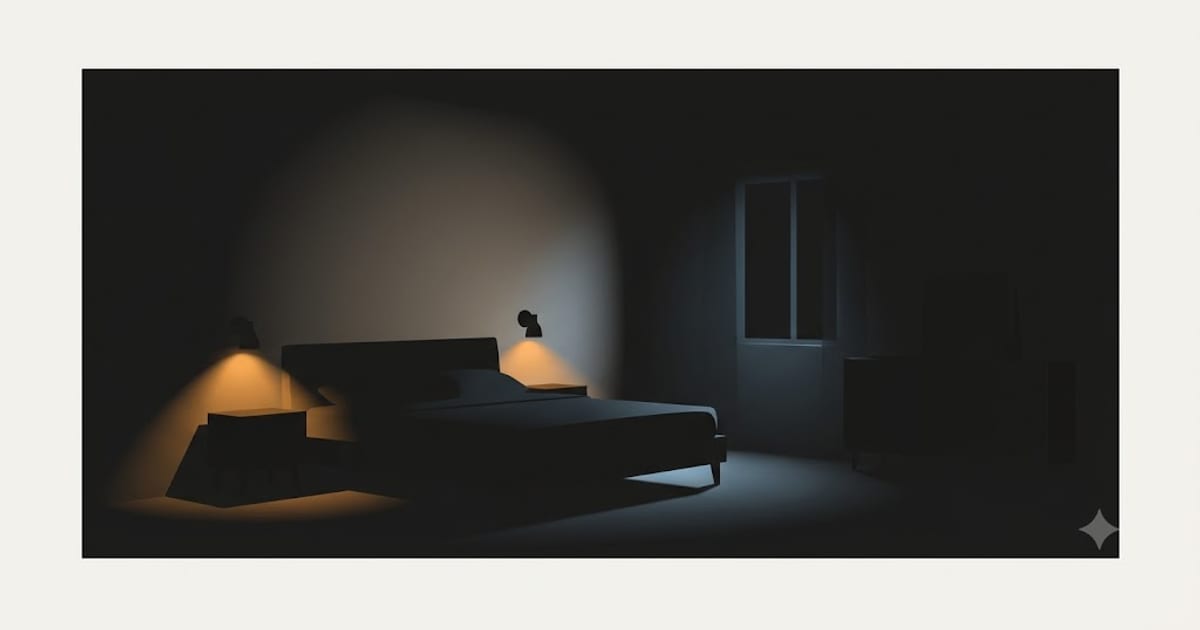 Bedroom Lumens: The Room Where Less Is the Specification
The bedroom is the only room where the target is a range you should deliberately sit at the bottom of, and where the dimmest setting matters more than the brightest.
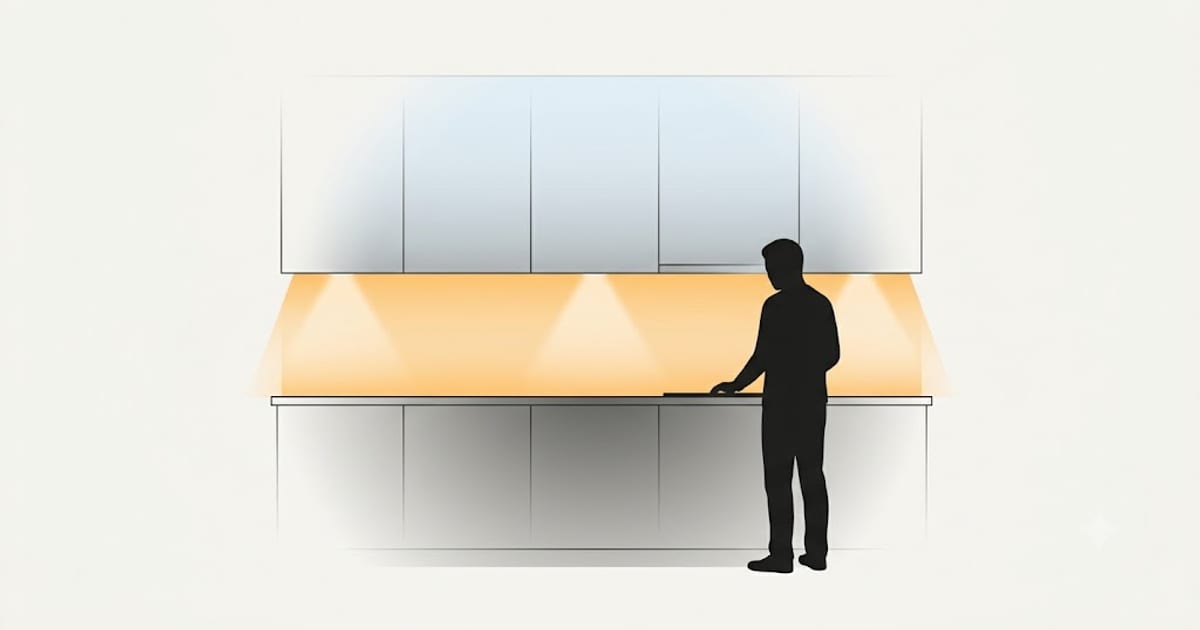 Kitchen Lighting: Two Numbers, Not One
A kitchen is the one room where the lighting brief has two separate answers, and where trying to solve it with a single brighter fitting makes the problem worse.
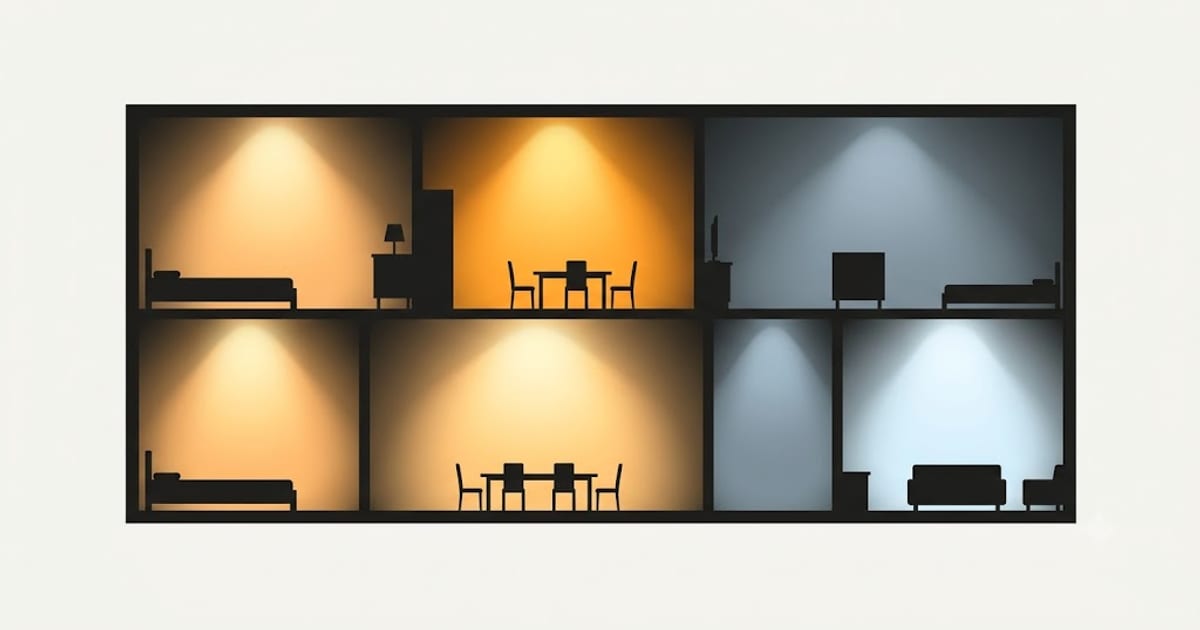 Lumens per Square Foot: The Whole-House Table
One table for the whole house, in the unit you can actually multiply by your own floor area. The corrections underneath it matter as much as the numbers.
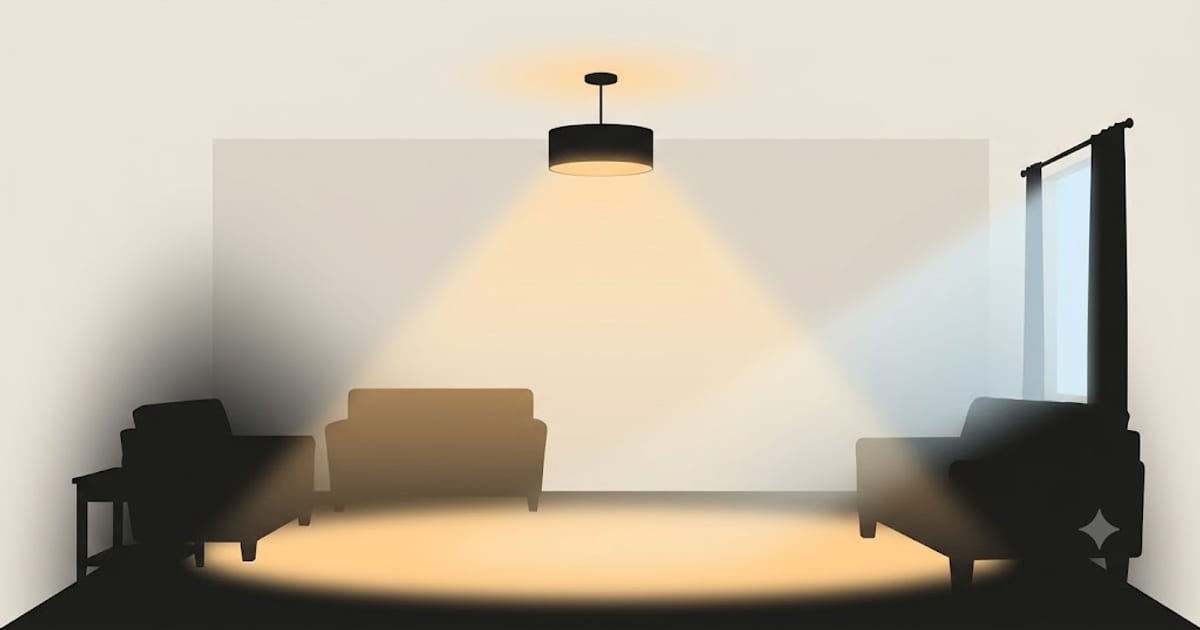 How Many Lumens a Room Needs, and Why One Number Is the Wrong Answer
A lumen total for a whole room is a starting point, not an answer. The same 3,000 lumens can be comfortable or useless depending on where it goes and what it lands on.